
Allgemein

Löwenzahn, das Gold der Narren

Dente de Leão, ouro de tolo * Dandelion, fool’s gold

(Versão em português abaixo) * (English version bellow)

DEUTSCH

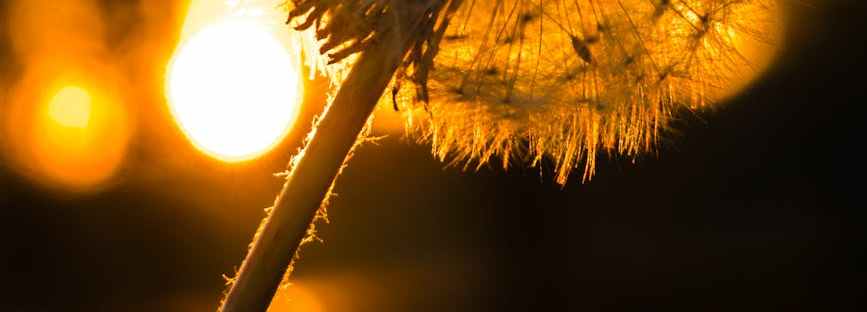
Ich kam früh im Yogastudio an. In einer Ecke in der Nähe der Eingangstür des Gebäudes sah ich leuchtend gelbe Blumen. Das Grau umarmte uns. Die Blumen kontrastierten mit der bleiernen Farbe der Wände des Gebäudes. Diese Blumen, dieses Gelb, erwärmten die Seele. Als ich mich näherte, um die Szene zu fotografieren, fiel mir schnell ein, dass die Blätter Löwenzahn waren, aber die Blumen… Die Blumen rochen nach Betrug. Der Gedanke kam wie ein Blitz, aber ich ignorierte ihn und blieb auf die Freude über das helle, warme Gelb an diesem kalten, grauen Morgen fixiert.

Wenig später trafen die Teilnehmer der Yogagruppe ein.  Zwei kamen herein und einer von ihnen kommentierte die Blumen. „Wow“, sagte ich. „Ich habe sogar sie fotografiert“. Dann sagte sie: „Sie sind aus Plastik.“ Ich war verblüfft. Natürlich rochen die Blumen nach Betrug…

Ich dachte an den weisen Patanjali, der mich Yoga in Theorie und Praxis lehrt. Ja, unsere Wahrnehmung ist begrenzt. Sie ist konditioniert. Wir sehen die Welt entsprechend unseren Gewohnheiten, Wünschen, Abneigungen und so weiter.

Der Schüler stieß auf die Blume und ging, von Misstrauen getrieben, hin, um sie zu untersuchen, um sie zu berühren, um herauszufinden, ob sie echt war oder nicht. Ich blieb bei meinem gelben Wunsch hängen. In Brasilien gibt es einen populären Ausdruck, wenn man etwas Unwirkliches für echt hält: Narrengold. Das leuchtend goldene Metall ist so attraktiv, dass wir Messing als Edelmetall ansehen.

Später erzählte ich D. von der Blume. Er sagte: „Am Donnerstag bin ich zum Studio gegangen und habe die Blume von weitem gesehen.“ Da dachte ich: „Wir haben wirklich ein ernstes Problem mit dem Klimawandel. Zu dieser Jahreszeit gibt es keinen blühenden Löwenzahn.“ Als er sich der Blume näherte, stellte er fest, dass sie aus Plastik war. Als er mir seine Gedanken über die Blume erzählte, dachte ich: „Interessant, D. beschäftigt sich sehr intensiv mit Informationen über den Klimawandel, es ist ein Thema, das ihn interessiert und beunruhigt. Jeder Geist bewegt sich zwischen seinen Themen.“

Dieser Löwenzahn ist für mich ein Kunstwerk, Street Art. Sie kann ein Auslöser sein, um uns zum Nachdenken über Wahrnehmung und Illusion anzuregen, um uns von einem Zustand der Ablenkung in einen Zustand der Aufmerksamkeit zu bringen. Wann immer wir etwas sehen, das uns auffällt, das merkwürdig erscheint, richten wir unsere Aufmerksamkeit darauf, und das ist eine wichtige Arbeit in der Yogapraxis. Wir trainieren den Geist, sich immer mehr zu konzentrieren.

Ein paar Tage später traf ich mich mit meinem Freund M., dem Autor des Werks. Er zeigte mir voller Freude seine neue Arbeit für ein Schaufenster. Er schafft Texturen, die Felsen imitieren. Leider hatte ich keine Zeit, ihm zu erzählen, wie seine Blume bei einigen von uns Gedanken auslöst.

Als ich sein Atelier verließ, musste ich unwillkürlich an Maya denken. Maya ist ein Konzept, das in einer östlichen Denkschule namens Vedanta verwendet wird, die darüber spricht, was wir sind.

Bin ich der Körper, der Geist, die Gedanken, die Persönlichkeit? Oder bin ich etwas anderes? Der Vedanta hilft uns, tief in diese Richtung zu blicken.

Maya ist Illusion, das, was nicht real ist. In einigen seiner Werke versucht M., Imitationen von Objekten in der Welt zu schaffen – Stein, Schnee usw. Aber jede Kopie, jede Imitation, egal wie gut sie gemacht ist, denunziert ihre Unwirklichkeit, sie riecht nach Betrug. 

Der Vedanta zeigt uns, dass die Welt Maya ist. Alles, was wir sehen, ist eine Illusion. Das bedeutet nicht, dass es keine Objekte gibt. Dass der Anblick von Autos, Tieren und Menschen, die die Straße entlanglaufen, nur eine Halluzination ist. Nein. Vielleicht wäre es einfacher, wenn wir Maya auf diese Weise erklären könnten.

Maya prangert an, dass all diese Dinge vergänglich sind, dass sie geboren werden und sterben, erscheinen und verschwinden. Dass das, was wir sehen, nur Schleier sind, die die Existenz verdecken. Und dass wir die Schleier lüften müssen, um die Wirklichkeit zu sehen. Was die Wahrnehmung trüb und begrenzt macht, ist die Anhaftung an diese Schleier. Verlangen, Abneigung, Angst und Konditionierung sind alles Schichten, die die Wahrheit verdecken.

Maya… Die Illusion ist es, die uns antreibt, auf die Suche nach der Wahrheit zu gehen.

Wir klammern uns an die Objekte der Welt — unsere Wahrnehmung, Interpretation, Meinung, Vision — als ob sie real wären. Wir sehen Ewigkeit, Vollständigkeit, Erfüllung, Zufriedenheit, wo es keine gibt. So wie ich mich an das warme Gelb der Blume an diesem grauen Morgen klammerte. Genauso wenig wie ich unbewusst von dem Gedanken angetan war, dass die Blume nach Betrug roch. Ich wurde von der Sehnsucht nach dem Frühling mitgerissen.

Wenigstens waren die Blumen aus Plastik, haltbarer als die echten. Nicht so lange haltbar… Am Montag konnten sie die bleigraue Wand nicht mehr aufhellen. Vielleicht war die Reinigungskraft früh da, und während sie sich auf die anstehenden Reinigungsarbeiten konzentrierte, schaute sie auf diesen Gegenstand und dachte unbewusst: „Das ist Müll.“ Oder sie hat es einfach zusammengekehrt und in den Mülleimer geworfen, während sie an etwas anderes dachte.

*

PORTUGUÊS

DENTE DE LEAO, OURO DE TOLO

Cheguei cedo no Studio de yoga. Num canto perto da porta de entrada do prédio vi flores de um amarelo vivo e vibrante. O cinza abraçava a gente. As flores contrastavam com a cor de chumbo da parede do prédio. Aquelas flores, aquele amarelo aqueceram a alma. Ao me aproximar para fotografar a cena, passou rapidamente pela minha mente que as folhas eram de dente de leão, mas as flores… As flores cheiravam a falcatrua. O pensamento veio como um flash, mas eu os ignorei e continuei fixa na alegria do amarelo vivo, quente, na manhã fria e cinza.

Um pouco mais tarde participantes do grupo de yoga começaram a chegar.  Duas alunas entraram e uma delas comentou sobre as flores. “Nossa”, falei… “Até deu vontade de tirar uma foto”. Ela então disse: “são de plástico.” Eu fiquei perplexa. Claro, as flores cheiravam a falcatrua…

Pensei no sábio Patanjali que me ensina Yoga na teoria e na prática. Sim, a nossa percepção é limitada. Ela é condicionada. Nós vemos o mundo de acordo com os nossos hábitos, desejos, aversões e por aí vai.

A aluna se deparou com a flor e impulsionada pela suspeita foi checar, tocar, investigar se ela era real ou não. Eu fiquei presa ao meu desejo amarelo. No Brasil há uma expressão popular, quando a gente toma algo irreal por real: ouro de tolo. O metal dourado vibrante é tão atraente, que a gente vê no latão o metal nobre.

Logo mais, contei para D. sobre a flor. Ele disse: “na quinta-feira eu fui dar aula e vi a flor de longe.” Então pensei: “realmente, temos um problema grave de mudança climática. Nessa época do ano, não tem dente de leão florido.” Ao se aproximar da flor, ele constatou que ela era de plástico. Quando ele me contou os seus pensamentos diante da flor, eu pensei: “interessante, D. se ocupa muito com informações sobre mudanças climáticas, é um tema que o interessa e preocupa. Cada mente transita entre os seus temas.”

Esse dente de leão é para mim uma obra artística, street art. Ela pode ser um gatilho para nos fazer pensar sobre a percepção, a ilusão, para nos levar de um estado de distração para um estado de atenção. Sempre que vemos algo que se destaca, que parece curioso, focamos a atenção, e esse é um trabalho importante na prática do yoga. Nós treinamos a mente para ela ficar cada vez mais focada.

Alguns dias depois, encontrei o meu amigo M., o autor da obra. Ele me mostrou alegre o novo trabalho que faz para a vitrine de uma loja. Ele cria texturas que imitam rochas. Infelizmente não tive tempo para contar para ele como a sua flor mobilizou pensamentos em alguns de nós.

Ao sair do seu atelier, não pude deixar de pensar em Maya. Maya é um conceito usado em uma escola de pensamento oriental chamada Vedanta, que fala sobre aquilo que somos. Quem sou eu? Eu sou o corpo, a mente, os pensamentos, a personalidade? Ou seria EU alguma uma outra coisa? Vedanta nos ajuda a ir fundo em reflexões nessa direção.

Maya é ilusão, aquilo que não é real. Em alguns de seus trabalhos, M. procura criar imitações  de objetos do mundo – pedra, neve etc. Mas toda a cópia, toda a imitação, por mais bem feita que seja, denuncia sua irrealidade, cheira a falcatrua.  

Vedanta nos mostra que o mundo é Maya. Tudo o que nós vemos é uma ilusão. Isso não significa que os objetos não tenham existência. Que ver carros, animais, pessoas transitando na rua não passe de uma alucinação. Não. Talvez fosse mais simples se pudéssemos explicar Maya dessa forma.

Maya denuncia que todas essas coisas são passageiras, elas nascem e morrem, surgem e desaparecem. Que o que nós vemos são apenas véus encobrindo a existência. E que é preciso levantar os véus para ver a realidade. O que torna a percepção nublada, limitada é o apego a esses véus. O desejo, a aversão, o medo, os condicionamentos são camadas que encobrem a verdade.

Maya… A ilusão é aquilo que nos impulsiona a ir em busca da verdade.

Nós nos agarramos aos objetos do mundo, a nossa percepção, interpretação, opinião, visão como se fossem reais. Nós vemos eternidade, completude, saciedade, satisfação onde não há. Assim como eu me apeguei ao amarelo quente da flor, na manhã cinza. Assim como eu inconscientemente não fui levada pelo pensamento de que a flor cheirava a falcatrua. Eu fui levada pelo desejo primaveril.

Pelo menos as flores eram de plástico, mais duradouras do que as reais. Nem tão duradouras… Na segunda-feira, elas não podiam mais alegrar a parede cinza chumbo. Talvez o faxineiro tenha chegado ali cedo e com a atenção direcionada para a limpeza que tinha que fazer, tenha olhado aquele objeto, e inconscientemente pensado: “é lixo.” Ou simplesmente varreu e colocou no lixo, enquanto pensava em toura coisa.

*

ENGLISH

DANDELION, FOOL´S GOLD

I arrived early at the yoga studio. In a corner near the building’s entrance door I saw bright, vibrant yellow flowers. The gray embraced us. The flowers contrasted with the leaden color of the building’s walls. Those flowers, that yellow warmed the soul. As I approached to photograph the scene, it quickly crossed my mind that the leaves were dandelion, but the flowers… The flowers smelled like a cheat. The thought came to me like a flash, but I ignored it and remained fixated on the joy of the bright, warm yellow in the cold, gray morning.

A little later, participants from the yoga group began to arrive.  Two students came in and one of them commented on the flowers. „Wow,“ I said. „It made me want to take a picture“. She then said: „They’re plastic.“ I was perplexed. Of course, the flowers smelled like a cheat…

I thought of the wise Patanjali who teaches me yoga in theory and practice. Yes, our perception is limited. It is conditioned. We see the world according to our habits, desires, aversions and so on.

The student came across the flower and, driven by suspicion, went to check it out, to touch it, to investigate whether it was real or not. I was stuck with my yellow desire. In Brazil there is a popular expression when we take something unreal for real: fool’s gold. The vibrant gold metal is so attractive that we see brass as noble metal.

Later, I told D. about the flower. He said: „On Thursday as I came I saw the flower from afar.“ Then I thought: „We really do have a serious climate change problem. At this time of year, there are no dandelions in bloom.“ As he approached the flower, he realized that it was made of plastic. When he told me his thoughts about the flower, I thought: „Interesting, D. is very preoccupied with information about climate change, it’s a topic that interests and worries him. Each mind moves between its own themes.“

This dandelion is for me a work of art, street art. It can be a trigger to make us think about perception, illusion, to take us from a state of distraction to a state of attention. Whenever we see something that stands out, that seems curious, we focus our attention, and this is important work in yoga practice. We train the mind to become more and more focused.

A few days later, I met up with my friend M., the author of the work. He happily showed me his new work for a store window. He creates textures that imitate rocks. Unfortunately, I didn’t have time to tell him how his flower had stirred up thoughts in some of us.

As I left his studio, I couldn’t help but think of Maya. Maya is a concept used in an Eastern school of thought called Vedanta, which talks about who we are. Who am I? Am I the body, the mind, the thoughts, the personality? Or am I something else? Vedanta helps us to go deep into reflections in this direction.

Maya is illusion, that which is not real. In some of his works, M. tries to create imitations of objects of the world – stone, snow, etc. But every copy, every imitation, no matter how well made, denounces its unreality and smells of deceit. 

Vedanta shows us that the world is Maya. Everything we see is an illusion. This doesn’t mean that objects don’t exist. That seeing cars, animals and people on the street is just a hallucination. No. Perhaps it would be simpler if we could explain Maya in this way.

Maya denounces that all these things are fleeting, they are born and die, appear and disappear. That what we see are only veils covering existence. And that we must lift the veils to see reality. What makes perception cloudy and limited is attachment to these veils. Desire, aversion, fear and conditioning are all layers that cover up the truth.

Maya… Illusion is what drives us to go in search of the truth.

We cling to the objects of the world, our perception, interpretation, opinion, vision as if they were real. We see eternity, completeness, satiety, satisfaction where there is none. Just as I clung to the warm yellow of the flower on the gray morning. Just as I was unconsciously not carried away by the thought that the flower smelled of deceit. I was carried away by springtime desire.

At least the flowers were plastic, more durable than the real thing. Not so long-lasting… On Monday, they could no longer brighten up the lead gray wall. Perhaps the cleaner arrived there early and, with his attention focused on the cleaning he had to do, looked at that object and unconsciously thought: „It’s garbage.“ Or simply swept it up and put it in the garbage can, while thinking about something else.
Allgemein

Sollen wir über Intimität sprechen?

(Versão em português abaixo) * (English version bellow)

Aber was ist Körperbewusstsein überhaupt? Was bedeutet es? Habe ich Körperbewusstsein? Wenn ich es nicht habe, hatte ich es nie oder habe ich es eines Tages verloren? Warum habe ich es verloren? Wie ist das passiert?

Wir können Körperbewusstsein vielleicht als Nähe, Intimität mit dem eigenen Körper übersetzen. Ich sehe, was in mir vorgeht, weil ich meinen Körper mit Neugier beobachte. Ich kenne dieses Gefährt, das mich hierher und dorthin transportiert. Ich kenne seine Reaktionen. Und wenn sich die Reaktionen ändern, bin ich mir der Transformationen bewusst.

Meine Beziehung zu meinem Körper ist präsent, und alles, worauf ich achte, wird intim.

Wenn wir Säuglinge beobachten, sehen wir, dass sie sich selbst erforschen. Zunächst ist ihnen nicht bewusst, dass das Bein, das sie bewegen, ein Teil des Körpers ist, den sie in Zukunft „meinen“ nennen werden. Sie machen einen Prozess der Entdeckung ihrer eigenen Konturen durch.

Im Laufe der Zeit, nach den ersten Körperbefragungen, wird uns klar, was wir mögen, was wir nicht mögen, was wir wollen und was nicht, was uns schwer und was uns leicht fällt. Wir erschaffen die Idee einer Persona, eines Individuums.

Doch im Laufe unseres Lebens geschieht das Gegenteil: Wir verlieren die Sensibilität für das, was in uns am deutlichsten spürbar ist – den Körper, als ob es eine umgekehrte Bewegung gäbe. Stelle dir vor, was mit dem passiert, was subtiler ist – mit Gefühlen, Gedanken, Emotionen?

Der Mangel oder Verlust der Verbindung zu uns selbst kann aus vielen Gründen auftreten: Traumata; Konditionierungen und Gewohnheiten, die uns nicht positiv nähren; das Erleben von Verboten und Frustrationen; der Versuch, sich den Wünschen und Erwartungen anderer anzupassen, um akzeptiert und geliebt zu werden… In unseren Beziehungen stoßen wir auf Hindernisse, auf schmerzhafte Erfahrungen, die uns betäuben, die uns vom Kontakt mit uns selbst fernhalten. Es ist, als würden wir einen Rüstung um uns herum aufbauen, der uns vor zukünftigen Wunden und Schmerzen schützt. Der Körper wird taub, steif.

Wer bin ich und wer ist der andere?

Ich bin oft in der U-Bahn unterwegs und sehe junge Mädchen auf dem Weg zur oder von der Schule. Viele von ihnen haben das gleiche Gesicht, folgen dem Trend, sich stark zu schminken, falsche Wimpern zu tragen, ähnliche Kleidung und Frisuren zu tragen. Hier zeigt sich deutlich das menschliche Bestreben, sich anzupassen, zu einer Gruppe zu gehören, um akzeptiert zu werden. Der schädliche Effekt ist der Verlust des Kontakts mit sich selbst.

Wenn ich meine Energie darauf verwende, wie andere auszusehen, Teil einer Gruppe zu sein, kann ich mit der Zeit meine Einzigartigkeit nicht mehr erkennen. Dadurch entfernen wir uns von unseren persönlichen Merkmalen. Wir verlieren aus den Augen, was mit unserer Persönlichkeit zu tun hat. Was möchte ich tragen? Was ist meine natürliche Art, mich auszudrücken? Was sind meine natürlichen Begabungen und Talente?

Wenn wir uns keinen Raum schaffen, um so zu sein, wie wir sind, verlieren wir die Fähigkeit, zwischen dem, was ich bin, und dem, was der andere ist, zu unterscheiden. Und wenn ich nicht weiß, was mir gehört und was dem anderen gehört, fange ich an, Situationen zu leben, die mich nichts angehen. Ich fange an, die Geschichten der anderen zu leben und spüre meiner eigenen nicht nach. Man verliert den Kontakt zu sich selbst, die Intimität, man hat ständig das Gefühl, ungeeignet zu sein.

Wir schauen immer weniger nach innen. Anstatt mit Originalität und Frische auf Situationen zu reagieren, versuchen wir, nach außen hin zu reagieren: Wie erwartet diese Person, dass ich mich verhalte? Was muss ich tun, damit diese Person mich liebt, damit sie mich akzeptiert? Wir wiederholen dies immer wieder auf unterschiedliche Weise und geraten immer tiefer in den Verlust der Intimität mit uns selbst.

Dieser Mangel an Grenzen zwischen dem, was ich bin, und dem, was die andere Person ist, tritt nicht nur in Beziehungen zwischen Freunden auf, sondern auch in Ehen, zwischen Eltern und Kindern usw. Oft bewundern wir jemanden so sehr, dass wir versuchen, ihn zu imitieren und dabei unsere eigene Geschichte aus den Augen verlieren.

Yoga jenseits des Körpers

Yoga spricht von der Notwendigkeit des Selbststudiums. Es gibt keine Möglichkeit, auf dem spirituellen Weg voranzukommen, wenn wir nicht die Vertrautheit mit unserem eigenen Körper, unseren Gefühlen und unseren Gedanken wiedererlangen können. Diese Wiedervereinigung ist grundlegend für unsere Reifung als menschliche Wesen.

Yoga arbeitet vom Groben zum Feinen. Der gröbste Teil von uns ist der Körper. Wenn wir also unsere Körperyoga-Übungen machen, haben wir die Möglichkeit, unser „Körperfahrzeug“ zu beobachten. Wenn wir nach außen hin üben und dabei an die Einkaufsliste denken, daran, was wir essen werden, daran, was die Person neben uns tut, ob sie in ihrer Praxis weiter ist als ich, verpassen wir die Gelegenheit zu einer intimen und warmen Begegnung mit uns selbst.

Yoga bringt uns zurück zu den Forschungen der Babys. Was spüre ich, wenn ich mein Bein bewege, meinen Arm hebe, wo sind die Verspannungen und Versteifungen, was passiert mit meiner Atmung, wenn ich mich schneller oder langsamer bewege, welche Empfindungen lösen die Haltungen im Körper aus, was sind die Konditionierungen, die sich beim Üben zeigen? Das Üben von Körper-Yoga hilft uns, unseren Fokus, unsere gerichtete Aufmerksamkeit zu schulen. Und das führt uns später natürlich in den meditativen Prozess.

Alles, was wir mit Neugier und immer wieder beobachten, lernen wir kennen. Die Übungen sind eine Gelegenheit für ein Wiedersehen zwischen dem Yoga-Praktizierenden und seinem eigenen Körper. Eine Gelegenheit zur Beobachtung OHNE Beurteilung. Intimität und Urteilsvermögen passen nicht gut zusammen. Mit der Zeit erhalten wir dadurch Körperbewusstsein und bereiten den Geist auf ein tieferes Eintauchen in das Subtilere vor.

*

VAMOS FALAR SOBRE INTIMIDADE?

Mas afinal, o que é consciência corporal? O que isso significa? Eu tenho consciência corporal? Se eu não tenho, eu nunca tive ou eu um dia a perdi? Por quê? Como foi que isso ocorreu?

Nós podemos talvez traduzir consciência corporal como proximidade, intimidade com o próprio corpo. Eu vejo o que se passa em mim, porque eu observo o meu corpo com curiosidade. Eu conheço esse veículo que me transporta para lá e para cá. Eu conheço as suas reações. E quando as reações mudam, eu estou ciente das transformações.

Há presença em minha relação com o meu corpo e tudo o que eu dedico atenção, torna-se íntimo.

Quando observamos os bebês, vemos que eles se investigam. Primeiro, eles não entendem que aquela perna que eles movimentam, por exemplo, é parte do corpo que no futuro eles chamarão de meu. Eles vão passando por um processo de descobrimento do próprio contorno. Com o passar dos anos, depois das primeiras pesquisas corporais, vamos percebendo o que gostamos, o que não gostamos, o que queremos e o que não queremos, o que temos dificuldade e facilidade de fazer.  Vamos criando a ideia de uma persona, de um indivíduo.

Mas no decorrer da vida, acontece o movimento contrário: vamos perdendo a sensibilidade do que em nós é mais palpável – o corpo, como se houvesse um movimento reverso. Imagine então o que ocorre com o que é mais sutil – os sentimentos, os pensamentos, as emoções?

A falta ou perda de conexão conosco pode ocorrer por muitas razões: traumas; condicionamentos e hábitos que não nos nutrem positivamente; vivência de proibições e frustrações; tentativa de adequação ao querer dos outros, às expectativas dos outros para sermos aceitos e ser amados… Nas nossas relações, vamos nos deparando com obstáculos, vivências dolorosas que nos anestesiam, nos afastam do contato conosco. Como se fossemos criando uma armadura em volta de nós, para nos defender de futuras feridas e dores. O corpo fica insensível, enrijecido.

Quem sou eu e quem é o outro?

Muitas vezes, estou no metrô e vejo meninas jovens indo ou voltando da escola. Muitas delas têm o mesmo rosto, seguem a tendência de usar maquilagem pesada, cílios postiços, roupas e penteados parecidos. Aqui vemos claramente a tentativa humana de adequação, de pertencer a um grupo para ser aceito. O efeito nocivo é a perda do contato consigo.

Quando eu volto a minha energia para me parecer com os outros, para ser parte de um grupo, com o tempo eu não consigo mais identificar as minhas singularidades. Isso vai nos afastando das nossas marcas pessoais. Nós vamos deixando de ter noção do que que tem a ver com a nossa personalidade. O que eu quero vestir? Qual é a minha forma natural de expressão? Quais são as minhas aptidões e talentos naturais?

Se não abrimos espaço para sermos o que somos, vamos perdendo a capacidade de diferenciar “o que sou eu do que é o outro”. E se eu não sei o que é meu e o que é do outro, eu começo a viver situações que não me dizem respeito. Eu passo a viver a história de outras pessoas e não traço a minha própria história. Há a perda de contato consigo, de intimidade, há uma sensação constante de inadequação.

Nós vamos olhamos cada vez menos para dentro. Ao invés de respondermos às situações com originalidade e frescor, nós tentamos responder às situações voltados para fora: como essa pessoa espera que eu me comporte? O que eu devo fazer para essa pessoa me amar, me aceitar? Nós vamos repetindo isso de diferentes formas e vamos cada vez mais aprofundando a perda de intimidade conosco.

Essa falta de fronteira entre o que sou eu e o que é o outro ocorre não só nas relações entre amigos, mas também nos casamentos, entre pais e filhos etc. Muitas vezes, admiramos tanto alguém, que tentamos imitar essa pessoa e nos perdemos de nossa própria história.

Yoga corporal para além do corpo

O Yoga fala da importância do auto estudo. Não há como avançar minimamente em um caminho espiritual se não conseguimos resgatar a intimidade com o nosso próprio corpo, com as nossas emoções, com os nossos pensamentos. Esse reencontro é fundamental para o nosso amadurecimento como seres humanos.

O Yoga trabalha do mais grosseiro em direção ao mais sutil. O que é mais grosseiro em nós é o corpo. Então, quando estamos fazendo a nossa prática de yoga corporal, temos a oportunidade de observarmos o nosso veículo corporal. Se fazemos a prática voltados para fora, pensando na lista do mercado, o que vamos comer, o que a pessoa do lado está fazendo, se ela está mais avançada que eu na prática, estamos perdendo a oportunidade de um encontro íntimo e caloroso conosco.

O yoga nos propõe o caminho de volta às pesquisas dos bebês. O que eu sinto quando mexo a perna, levanto o braço, onde estão as tensões e a rigidez, o que ocorre com a respiração se eu me movimento com mais rapidez ou mais devagar, que sensações as posturas causam no corpo, quais os condicionamentos que se mostram quando eu faço a prática? A prática do yoga corporal nos ajuda a ir treinando o foco, a atenção direcionada. E isso nos leva mais tarde, naturalmente, ao processo meditativo.

Tudo o que observamos com curiosidade e repetidamente, passamos a conhecer. A prática do yoga corporal é uma oportunidade para um reencontro entre o praticante de yoga e o seu próprio corpo. Uma oportunidade para uma observação SEM julgamento. Intimidade e julgamento não se relacionam bem. Com o tempo, isso vai nos dando consciência corporal e isso vai preparando a mente para mergulhos mais profundos, no que é mais sutil.

*

LET’S TALK ABOUT INTIMACY?

But what is body awareness anyway? What does it mean? Do I have body awareness? If I don’t, did I never have it or did I lose it one day? Why did I lose it? How did this happen?

We can perhaps translate body awareness as closeness, intimacy with one’s own body. I see what’s going on in me, because I observe my body with curiosity. I know this vehicle that transports me here and there. I know its reactions. And when the reactions change, I am aware of the transformations.

There is presence in my relationship with my body and everything I pay attention to becomes intimate.

When we observe babies, we see that they investigate themselves. At first, they don’t understand that the leg they move, for example, is part of the body they will call mine in the future. They go through a process of discovering their own contours. Over the years, after the first body surveys, we realize what we like, what we don’t like, what we want and don’t want, what we find difficult and easy to do. We create the idea of a persona, of an individual.

But as we go through life, the opposite happens: we lose sensitivity to what is most palpable in us – the body, as if there were a reverse movement. Imagine what happens to what is more subtle – feelings, thoughts, emotions?

The lack or loss of connection with ourselves can occur for many reasons: traumas; conditioning and habits that don’t nourish us positively; experiencing prohibitions and frustrations; trying to fit in with the wishes of others, the expectations of others in order to be accepted and loved. In our relationships, we come up against obstacles, painful experiences that anesthetize us, keep us away from contact with ourselves. As if we were creating an armor around ourselves to defend us from future wounds and pain. The body becomes numb, stiff.

Who am I and who is the other?

I’m often on the subway and see young girls going to and from school. Many of them have the same face, follow the trend of wearing heavy make-up, false eyelashes, similar clothes and hairstyles. Here we clearly see the human attempt to fit in, to belong to a group in order to be accepted. The harmful effect is the loss of contact with oneself.

When I turn my energy to looking like others, to being part of a group, over time I can no longer identify my singularities. This distances us from our personal traits. We lose track of what has to do with our personality. What do I want to wear? What is my natural way of expressing myself? What are my natural skills and talents?

If we don’t make space to be who we are, we lose the ability to differentiate between „what is me and what is the other“. And if I don’t know what’s mine and what belongs the other person, I start living situations that don’t concern me. I start to live other people’s stories and don’t trace my own. There’s a loss of contact with me, of intimacy, there’s a constant feeling of inadequacy.

We look inwards less and less. Instead of responding to situations with originality and freshness, we try to respond to situations from the outside: how does this person expect me to behave? What do I have to do for this person to love me, to accept me? We keep repeating this in different ways and we get deeper and deeper into the loss of intimacy with ourselves.

This lack of boundaries between what is me and what is the other occurs not only in relationships between friends, but also in marriages, between parents and children, etc. We often admire someone so much that we try to imitate them and lose sight of our own history.

Body yoga beyond the body

Yoga talks about the importance of self-study. There’s no way to make any progress on a spiritual path if we can’t regain intimacy with our own body, our emotions and our thoughts. This reunion is fundamental to our maturing as human beings.

Yoga works from the grossest towards the subtlest. The grossest thing in us is the body. So, when we are doing our body yoga practice, we have the opportunity to observe our body vehicle. If we do our practice looking outwards, thinking about the grocery list, what we’re going to eat, what the person next to us is doing, whether they’re further along in their practice than I am, we’re missing the opportunity for an intimate and warm encounter with ourselves.

Yoga takes us back to the research of babies. What do I feel when I move my leg, raise my arm, where are the tensions and stiffness, what happens to my breathing if I move faster or slower, what sensations do the postures cause in the body, what are the conditionings that show up when I do the practice? The practice of body yoga helps us to train our focus, our directed attention. And this leads us later, naturally, to the meditative process.

Everything we observe with curiosity and repeatedly, we come to know. The practice of body yoga is an opportunity for a reunion between the yoga practitioner and their own body. An opportunity for observation WITHOUT judgment. Intimacy and judgment don’t mix well. Over time, this gives us body awareness and prepares the mind for deeper dives into what is more subtle.